
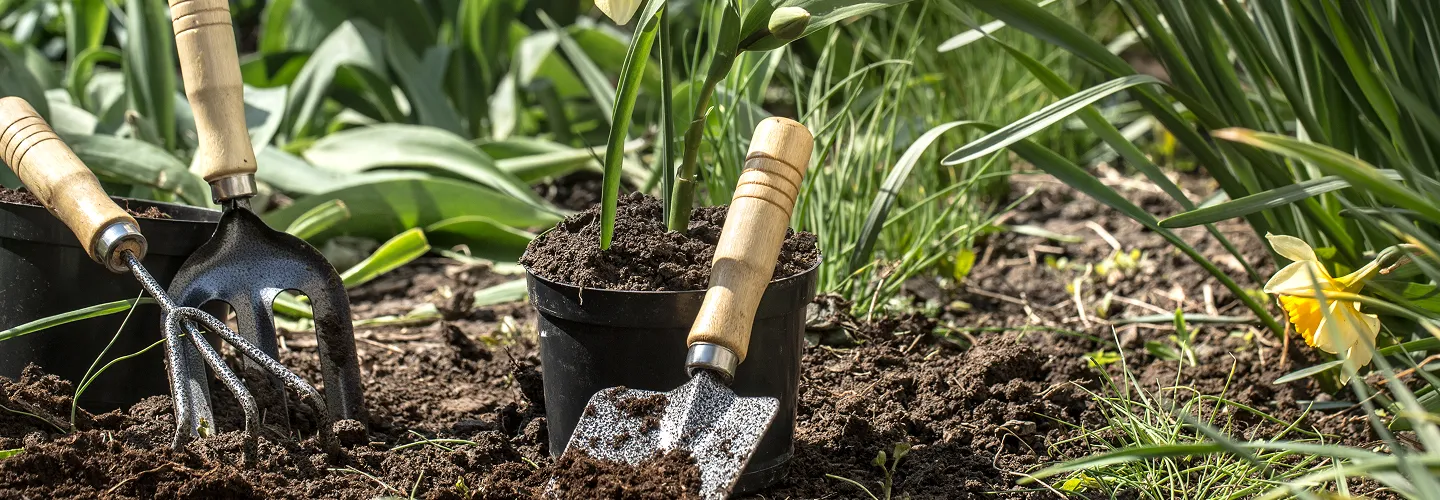
Cranston Flower Planting Services
Choose our flower planting services for vibrant, healthy blooms that enhance your curb appeal and bring lasting beauty to your outdoor spaces—crafted with care by local experts who understand your landscape needs.
Get a Free QuoteOur Cranston Landscaping & Yard Care Services
When to Schedule Flower Planting in Cranston, Rhode Island – Seasonal Guide
In Cranston, Rhode Island, the best times for flower planting are shaped by our unique New England climate and the city’s diverse neighborhoods, from the tree-lined streets of Edgewood to the open spaces near Meshanticut Park. Typically, the optimal planting windows are early spring—after the last frost date, which usually falls in mid-April—and early fall, when soil temperatures remain warm but the risk of drought diminishes. These periods allow roots to establish before the extremes of summer heat or winter cold set in.
Local environmental factors play a significant role in determining the right planting schedule. For example, areas near Roger Williams Park may experience more shade and higher humidity, while neighborhoods closer to Garden City Center often have well-drained, loamy soils ideal for a variety of blooms. It’s important to consider Cranston’s average precipitation patterns and occasional municipal watering restrictions, which can impact both planting success and ongoing maintenance. For more detailed local climate data, you can refer to this resource.
Local Factors to Consider for Flower Planting in Cranston
- Proximity to large trees and resulting shade coverage
- Soil type and drainage, especially in neighborhoods like Oaklawn
- Average last and first frost dates
- Risk of summer drought or excessive rainfall
- Terrain slope and potential for water runoff
- Municipal guidelines or watering restrictions
- Microclimates near landmarks such as Meshanticut Lake
Benefits of Flower Planting in Cranston
Expert Local Knowledge
Customized Landscape Designs
Seasonal Plant Selection
Enhanced Curb Appeal
Eco-Friendly Practices
Reliable Maintenance Services
Cranston Flower Planting Types

Annual Flower Beds
-
Perennial Gardens
-
Native Plant Installations
-
Pollinator-Friendly Plantings
-
Shade Garden Designs
-
Seasonal Bulb Planting
-
Container Flower Arrangements
Our Flower Planting Process
Site Evaluation
Soil Preparation
Plant Selection
Careful Planting
Watering and Mulching
Why Choose Cranston Landscape Services
-
Cranston Homeowners Trust Us
-
Expert Lawn Maintenance
-
Reliable Seasonal Cleanups
-
Efficient Snow Removal
-
Competitive Pricing
-
Professional Team
-
Satisfaction Guarantee
Soil Series and Drainage Considerations for Flower Planting in Cranston
Cranston’s landscape is shaped by glacial till soils, predominantly classified as Inceptisols and Udults according to the USDA Web Soil Survey. These soils are often moderately acidic (pH 5.5–6.5) and can be poorly drained, with seasonal water tables as shallow as 12–18 inches in low-lying areas. Before planting, it is recommended to conduct a soil test through the University of Rhode Island Cooperative Extension (typical cost: $15–25) to determine pH and nutrient needs. For optimal flower bed establishment:
- Incorporate 2–3 inches of compost to a 6-inch depth
- Apply lime if pH is below 6.0
- Ensure raised beds or drainage improvements in areas with standing water Coordination with the city’s infrastructure is essential for any grading or drainage modifications.
Cranston RI Department of Public Works
869 Park Avenue, Cranston, RI 02910
Phone: (401) 780-3175
Official Website: Cranston RI Department of Public Works
Seasonal Timing and Climate Zone Guidance for Flower Planting in Cranston
Cranston is located in USDA Hardiness Zone 6b, with average annual minimum temperatures of -5°F to 0°F. The optimal window for planting hardy perennials and annuals is April 15 to May 30, when soil temperatures reach 50–65°F. Fall planting of bulbs and select perennials is best completed between September 15 and October 31, before the first frost (typically late October). For best results:
- Avoid planting during June–August due to heat stress
- Schedule irrigation in early morning to reduce disease risk
- Monitor local weather forecasts via the National Weather Service Boston/Norton Office
- Mulch beds with 2–3 inches of organic material to moderate soil temperature These timing recommendations help ensure successful establishment and compliance with city maintenance schedules.
Native and Recommended Flower Species for Cranston’s Urban and Park Environments
Selecting species adapted to Cranston’s climate and soil is critical for sustainable plantings. Native and regionally adapted flowers support pollinators and require less maintenance. Recommended species include:
- Full sun: Black-eyed Susan (Rudbeckia hirta), purple coneflower (Echinacea purpurea), daylily (Hemerocallis spp.)
- Partial shade: Coral bells (Heuchera americana), astilbe (Astilbe spp.), hosta (Hosta spp.)
- Deer resistant: Lavender (Lavandula angustifolia), Russian sage (Perovskia atriplicifolia), salvia (Salvia nemorosa)
- Native options: Wild bergamot (Monarda fistulosa), Joe Pye weed (Eutrochium purpureum), cardinal flower (Lobelia cardinalis) Spacing should be 12–24 inches apart depending on mature size. For plantings in public spaces or near conservation areas, coordinate with the city’s parks division.
Cranston RI Parks & Recreation
1090 Cranston Street, Cranston, RI 02920
Phone: (401) 780-6169
Official Website: Cranston RI Parks & Recreation
Environmental Compliance: Wetland Buffers and Stormwater Management in Cranston
Flower planting near Cranston’s wetlands, streams, and conservation areas is regulated to protect water quality and sensitive habitats. City ordinance requires a 25-foot no-disturbance buffer from delineated wetlands and prohibits fertilizer or pesticide application within 50 feet of water bodies. All plant debris must be kept out of storm drains to comply with the city’s MS4 permit under the Clean Water Act and Rhode Island Environmental Rights Act. Key compliance steps:
- Maintain 25-foot buffer from wetlands
- Use only slow-release or organic fertilizers
- Schedule debris collection on Thursdays, April–November, using biodegradable bags
- Never dispose of plant waste in storm drains For questions on buffer zones or protected areas, consult the city’s conservation commission.
Cranston RI Conservation Commission
869 Park Avenue, Cranston, RI 02910
Phone: (401) 780-3197
Official Website: Cranston RI Conservation Commission
Municipal Coordination and Permit Requirements for Public Flower Planting Projects
Public and large-scale flower planting projects in Cranston may require coordination with multiple municipal departments. Any work on city property, within public rights-of-way, or near utilities must be reviewed by the Department of Public Works and may require a permit (typical review time: 5–10 business days; fee: $25–75). Equipment operation is restricted to:
- Monday–Friday: 7:00 AM – 7:00 PM
- Saturday: 8:00 AM – 6:00 PM
- Sunday and holidays: Prohibited All personnel must use ANSI Z87.1 safety glasses, hearing protection for equipment over 85 dB, and maintain a 15-foot clearance from overhead utilities. For projects in historic districts or near city parks, additional review by the Planning Department may be necessary.
Cranston RI Planning Department
869 Park Avenue, Cranston, RI 02910
Phone: (401) 780-3222
Official Website: Cranston RI Planning Department
What Neighborhoods Do We Serve Throughout Cranston, RI?
- Edgewood: Features mature tree canopies and historic properties, with compacted urban soils and moderate drainage challenges. Flower planting here often requires soil amendment and careful species selection for shade.
- Auburn: Characterized by smaller lots and higher building density, this area may have fill soils and limited access for equipment, making raised beds and container plantings common.
- Garden City: Known for larger residential lots and established landscaping, with moderately well-drained soils and opportunities for diverse perennial beds.
- Western Cranston: Includes newer developments and open spaces, with sandy loam soils and better drainage, ideal for native wildflower meadows and pollinator gardens.
- Oaklawn: Proximity to Pawtuxet River and wetlands requires strict buffer compliance and careful management of runoff and fertilizer use.
- Meshanticut: Features sloped sites and proximity to Meshanticut Lake, necessitating erosion control measures and plantings that stabilize soil.
- Knightsville: Urbanized area with mixed commercial and residential properties, where soil compaction and limited green space require innovative planting solutions such as vertical gardens or curbside beds.