
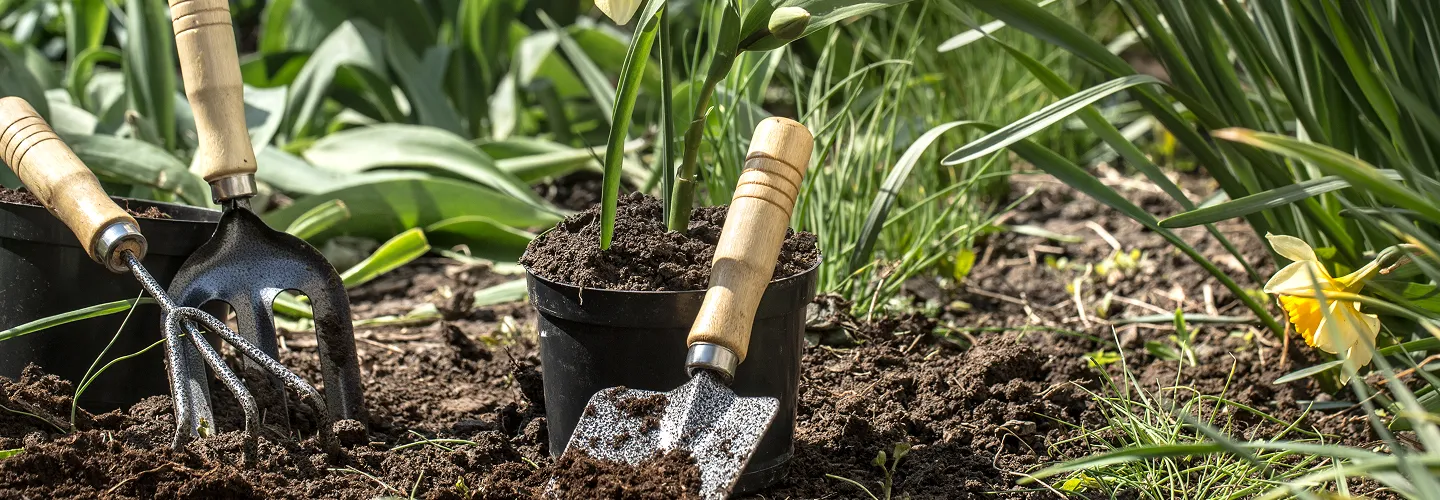
Cranston Fertilizing Lawn Services
Choose our expert fertilizing lawn services for lush, healthy grass that stands out in your neighborhood—our tailored treatments ensure your lawn gets the nutrients it needs for vibrant growth and lasting beauty.
Get a Free QuoteOur Cranston Landscaping & Yard Care Services
When to Schedule Fertilizing Lawn in Cranston, Rhode Island – Seasonal Guide
In Cranston, Rhode Island, the best times to fertilize your lawn are typically early spring and early fall. The region’s climate, with its cold winters and humid summers, means that timing is crucial for healthy turf. For neighborhoods near Meshanticut Park or along Oaklawn Avenue, spring fertilization should be scheduled after the last frost—usually late April to early May—when soil temperatures begin to rise and grass starts active growth. Fall applications, ideally in September or early October, help lawns recover from summer stress and prepare for winter dormancy.
Local environmental factors play a significant role in determining the optimal fertilizing schedule. Cranston’s varied soil types, from sandy loam near Garden City to heavier clay in Edgewood, affect nutrient retention and application frequency. Shade from mature trees in Dean Estates or increased drought risk during dry spells can also impact timing. Always check for municipal guidelines or restrictions, which can be found on the official city website, to ensure compliance with local regulations.
Local Factors to Consider for Fertilizing Lawn in Cranston
- Tree density and shade coverage (affects sunlight and moisture)
- Soil type (sandy, loamy, or clay)
- Proximity to water features or wetlands
- Typical precipitation patterns and drought risk
- Terrain and drainage (flat vs. sloped lawns)
- Frost dates and seasonal temperature shifts
- Municipal restrictions on fertilizer use
Benefits of Fertilizing Lawn in Cranston

Healthier, Greener Lawns
Improved Weed Resistance
Enhanced Curb Appeal
Customized Fertilization Plans
Eco-Friendly Lawn Care
Experienced Local Professionals
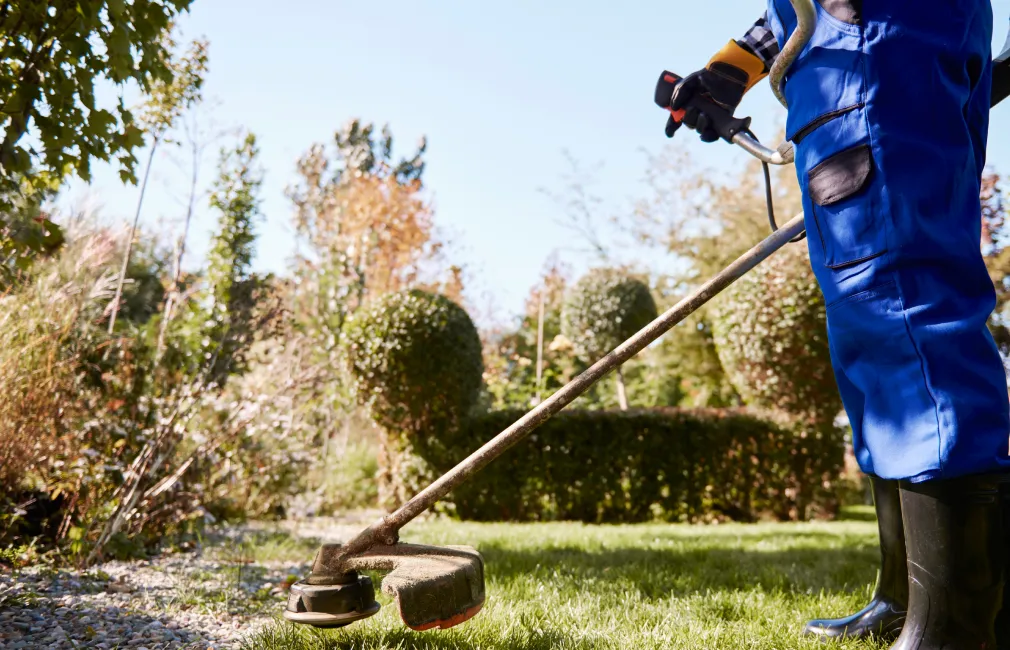
Cranston Fertilizing Lawn Types

Cool-Season Grass Fertilization
-
Warm-Season Grass Fertilization
-
Organic Lawn Fertilization
-
Synthetic Fertilizer Application
-
Slow-Release Fertilizer Programs
-
Starter Fertilizer for New Lawns
-
Seasonal Fertilizer Scheduling
Our Fertilizing Lawn Process
Soil Analysis
Fertilizer Selection
Application Scheduling
Even Fertilizer Distribution
Post-Application Inspection
Why Choose Cranston Landscape Services
-
Cranston Homeowners Trust Us
-
Expert Lawn Maintenance
-
Reliable Seasonal Cleanups
-
Efficient Snow Removal
-
Competitive Pricing
-
Professional Team
-
Satisfaction Guarantee
Fertilizer Application Timing and Climate Considerations in Cranston
Cranston’s cool-season turfgrasses, such as Kentucky bluegrass and perennial ryegrass, require precise fertilization timing to optimize growth and minimize nutrient runoff. The city falls within USDA Hardiness Zone 6b, with average last frost dates in late April and first frost in late October. For best results, apply fertilizer in early May when soil temperatures reach 55°F, and again in early September to support fall root development. Avoid fertilizing from June through August, as heat stress can increase the risk of turf burn and nutrient leaching. The National Weather Service Boston/Norton office provides up-to-date soil temperature and precipitation data for Cranston, supporting informed scheduling. Recommended annual nitrogen rates are 2.5–3.5 lbs per 1,000 sq ft, split between spring and fall. Soil testing through the University of Rhode Island Cooperative Extension is advised every 2–3 years to adjust application rates and timing based on local conditions.
Managing Cranston’s Glacial Till and Coastal Sandy Soils for Effective Fertilization
Cranston’s predominant soils, including Newport and Bridgehampton series, are characterized by glacial till with moderate to poor drainage and coastal sandy soils with rapid drainage and low organic matter. These conditions require tailored fertilization strategies:
- For glacial till: Incorporate 2–3 inches of compost to improve structure and nutrient retention; maintain pH between 6.0–6.5 with lime as needed.
- For sandy soils: Use slow-release granular fertilizers to reduce leaching; apply in smaller, more frequent doses (1 lb nitrogen per 1,000 sq ft per application).
- Conduct soil tests to determine phosphorus and potassium needs; avoid blanket applications. Research local soil series using the USDA Web Soil Survey for site-specific recommendations. Buffer zones of at least 25 feet from wetlands and water bodies are required to prevent nutrient runoff, as enforced by the Cranston RI Conservation Commission.
Cranston RI Conservation Commission
869 Park Avenue, Cranston, RI 02910
Phone: (401) 780-3177
Official Website: Cranston RI Conservation Commission
Municipal Coordination and Fertilizer Use Ordinances in Cranston
Fertilizer application in Cranston is regulated to protect local waterways, including the Pawtuxet River and Spectacle Pond. The city prohibits fertilizer use within 50 feet of water bodies and enforces a 25-foot no-disturbance buffer for wetlands. Equipment operation for lawn care is permitted:
- Monday–Friday: 7:00 AM – 7:00 PM
- Saturday: 8:00 AM – 6:00 PM
- Sunday and holidays: Prohibited All fertilizer storage and handling must prevent spillage into storm drains, in compliance with the city’s MS4 permit under the Clean Water Act. Residents and contractors must follow municipal code and coordinate with the Cranston RI Department of Public Works for questions regarding buffer enforcement and stormwater compliance.
Cranston RI Department of Public Works
869 Park Avenue, Cranston, RI 02910
Phone: (401) 780-3175
Official Website: Cranston RI Department of Public Works
Environmental Compliance: Rhode Island and Federal Fertilizer Regulations
Fertilizer use in Cranston must comply with the Rhode Island Environmental Rights Act and the state’s MS4 stormwater program, administered by the Rhode Island Department of Environmental Management. Key requirements include:
- No fertilizer application during rain events or when ground is frozen
- Maintain 25-foot buffer from wetlands and 50-foot setback from open water
- Use phosphorus-free fertilizer unless soil test indicates deficiency
- Prohibit clippings and fertilizer runoff into storm drains The EPA Region 1 office oversees federal compliance, while the University of Rhode Island Cooperative Extension provides soil testing and nutrient management guidance. Violations may result in fines or remediation orders under state and federal law.
What Neighborhoods Do We Serve Throughout Cranston, RI?
- Edgewood: Features mature tree canopies and compacted glacial till soils, requiring careful fertilizer application to avoid runoff into nearby Roger Williams Park ponds.
- Auburn: Characterized by smaller lots and older infrastructure, with moderate drainage and higher risk of nutrient leaching into the Pawtuxet River.
- Garden City: Newer developments with sandy soils and rapid drainage, necessitating slow-release fertilizers and frequent soil testing for optimal turf health.
- Western Cranston: Includes larger properties and proximity to conservation areas, where buffer enforcement and wetland protection are critical for compliance.
- Oaklawn: Historic district with variable soil types and established landscaping, requiring customized fertilization plans and adherence to city noise ordinances.
- Meshanticut: Noted for its proximity to Meshanticut Lake and parklands, where strict buffer zones and phosphorus restrictions are enforced to protect water quality.
- Stadium: Urbanized area with compacted soils and limited green space, presenting challenges for nutrient uptake and stormwater management.